
Key takeaways
- Sediment, biofilm and algae build up in any tank that goes months without cleaning.
- Contaminated tank water can carry bacteria like E. coli that cause typhoid, cholera and diarrhoea.
- Bad smell, cloudy colour or an off taste are common warning signs of a dirty tank.
- BIS and WHO both stress safe storage as a key step in preventing waterborne disease.
- Cleaning your tank roughly every six months keeps stored water far safer for daily use.
When water sits still for weeks, tiny suspended particles slowly sink and form a layer of sediment at the bottom of the tank. Dust, sand and mineral deposits from the municipal supply all add to this sludge. In Delhi-NCR, where supply is often intermittent and tanks refill in bursts, this settling happens faster than people expect. On the walls, a thin biofilm — a sticky film of microorganisms — begins to grow, especially where sunlight and warmth reach the tank. Over time these deposits become a comfortable home for bacteria and other microbes. The water may still look clear from the tap, yet the reservoir feeding it is anything but clean. This slow, invisible buildup is exactly why regular inspection matters.
Biofilm and Algae: The Hidden Layer
Biofilm is the slippery coating you sometimes feel on the inside wall of a tank, and it is more than harmless slime. It protects bacteria from chlorine and makes them far harder to flush out with a simple rinse. In tanks exposed to sunlight, particularly poorly covered or translucent plastic ones common across NCR rooftops, algae can bloom and tint the water green. Algae itself may not always be dangerous, but its presence signals that the tank is warm, lit and full of nutrients — ideal conditions for microbial growth. Once biofilm and algae take hold, they keep re-seeding the water even after it is refilled. Breaking this cycle needs proper scrubbing and disinfection, not just draining and refilling.
Bacteria and E. coli in Stored Water
The biggest health concern with a dirty water tank is microbial contamination. When faecal matter enters the supply through cracked pipes, backflow or an open tank lid, bacteria such as E. coli can survive and multiply in the sediment and biofilm. E. coli is used worldwide as an indicator organism — its presence suggests the water may also carry other disease-causing pathogens. WHO guidelines are clear that drinking water should contain no detectable E. coli in any 100 ml sample. A tank that is never cleaned gives these organisms a protected place to persist. This is why testing tap water alone can be misleading: the tank feeding that tap may be the real source of the problem.
Waterborne Diseases You Should Know About
Contaminated stored water is linked to several serious illnesses that remain common in India. Typhoid and cholera are bacterial infections spread through water tainted with faecal matter, causing high fever, severe dehydration and, if untreated, life-threatening complications. Diarrhoea from various microbes is especially dangerous for young children and the elderly. Jaundice, often caused by Hepatitis A and E viruses, spreads the same way and can leave people unwell for weeks. These diseases tend to rise during Delhi-NCR’s monsoon months, when supply lines are more easily contaminated. A clean, sealed tank is one practical barrier between your household and this cluster of preventable infections.
Book your water tank cleaning
Trained crew, food-grade process, before/after photos and a service record every job. ₹699 onwards, same-day where possible across Delhi NCR.
Warning Signs: Smell, Colour and Taste
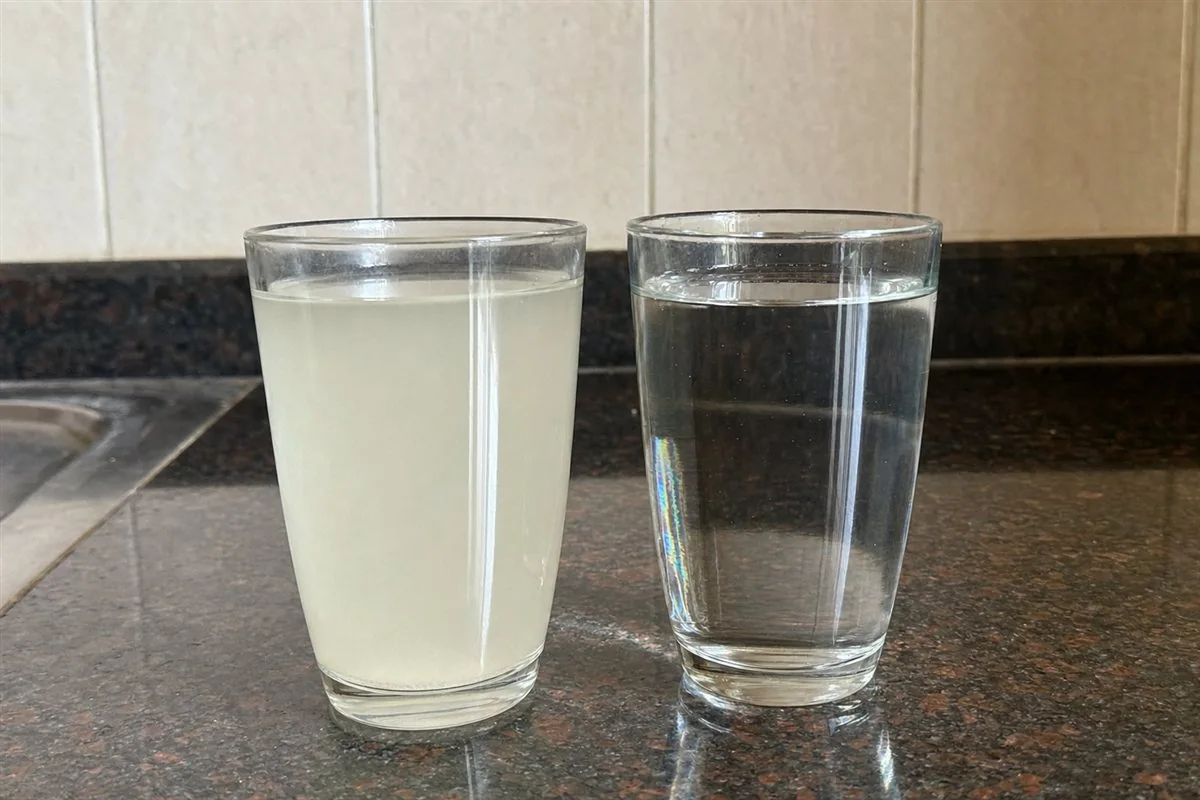
You do not need a laboratory to notice that something is wrong with your water. An earthy, musty or rotten-egg smell often points to algae, decaying organic matter or bacterial activity inside the tank. A yellow, brown or greenish colour, or visible floating particles, suggests sediment and biofilm are being disturbed and carried into the supply. A metallic, stale or simply “off” taste is another red flag worth taking seriously. Cloudiness that does not clear after letting a glass stand is also a common sign. None of these on their own confirm disease-causing contamination, but together they are a strong hint that your tank needs inspection and a proper clean rather than another quick top-up.
What BIS and WHO Recommend
Indian drinking water quality is governed by the BIS standard IS 10500, which sets acceptable limits for turbidity, colour, odour and microbial content — effectively requiring water to be clear, odour-free and free of harmful bacteria at the point of use. The World Health Organization similarly stresses that safe storage is as important as a safe source, because water can be recontaminated inside poorly maintained tanks. Neither body prescribes one fixed cleaning date for domestic tanks, but the shared principle is straightforward: stored water must stay protected, covered and periodically cleaned. Following these standards is not about ticking a box — it is about ensuring the water reaching your family genuinely meets a recognised health benchmark.
The Health Case for Regular Cleaning
Regular tank cleaning is one of the simplest, cheapest ways to protect your household’s health. As a practical rule, most homes in Delhi-NCR benefit from a thorough clean roughly every six months, and sooner if you notice any smell, colour or taste change. Professional cleaning goes beyond draining water: it involves scrubbing away biofilm, removing sediment, and disinfecting every surface so the tank starts fresh. This breaks the cycle that lets bacteria and algae persist. Compared with the cost and disruption of a bout of typhoid or jaundice in the family, routine cleaning is modest and preventive. If you are unsure when your tank was last serviced, that uncertainty is itself a good reason to act now.
Frequently asked questions
How often should I clean my water tank in Delhi-NCR?
For most homes, a thorough clean every six months is a sensible baseline. Delhi-NCR’s dusty air, intermittent supply and warm summers can speed up sediment and algae buildup, so clean sooner if you notice any change in smell, colour or taste. Homes with high usage or older tanks may benefit from more frequent servicing.
Can a dirty water tank really make my family sick?
Yes. A dirty water tank can harbour bacteria, biofilm and sediment that contaminate stored water. If pathogens like E. coli are present, the water can spread illnesses such as typhoid, cholera, diarrhoea and jaundice. Children and elderly members are especially vulnerable, which is why regular cleaning is a genuinely worthwhile precaution.
What are the first signs my tank water is contaminated?
Common early signs include a musty or rotten-egg smell, a yellow, brown or greenish tint, floating particles, cloudiness that will not settle, and a metallic or stale taste. Any one of these is a cue to inspect your tank. Several appearing together strongly suggest the tank needs cleaning and disinfection.
Is boiling water enough if my tank is dirty?
Boiling kills most disease-causing microbes, so it helps for drinking water. However, it does nothing about sediment, biofilm, algae or the taste and smell coming from a dirty tank, and you still bathe and wash with untreated water. Boiling is a short-term safeguard, not a substitute for actually cleaning the tank.
What is biofilm and why is it a problem?
Biofilm is a sticky film of microorganisms that coats the inside walls of a tank. It shelters bacteria from chlorine and ordinary rinsing, letting them survive and re-seed the water even after refilling. Because a simple drain-and-fill will not remove it, biofilm needs proper scrubbing and disinfection to clear fully.
Does clear-looking water mean my tank is clean?
Not necessarily. Water can look perfectly clear at the tap while the tank feeding it holds sediment, biofilm and bacteria at the bottom and on the walls. Microbial contamination is invisible to the eye. This is why relying on appearance alone is risky, and why periodic cleaning matters even when the water seems fine.
What do BIS and WHO say about tank water safety?
BIS standard IS 10500 sets limits for turbidity, colour, odour and microbial content in Indian drinking water, while WHO stresses that safe storage is as important as a safe source. Both point to the same idea: stored water must stay covered, protected and periodically cleaned so it remains free of harmful contamination.
Should I clean the tank myself or hire professionals?
Small tanks can be cleaned carefully by hand, but professionals remove sediment, scrub away biofilm and disinfect every surface thoroughly, often in confined spaces that need care. For overhead and underground tanks especially, professional cleaning is safer and more effective. KaamGenie provides water tank cleaning across Delhi-NCR on 95603 66362.
Sources & references
- Bureau of Indian Standards (BIS) — IS 10500:2012 is the canonical Indian Standard for drinking water specification, defining acceptable limits for physical, chemical and biological parameters.
- WHO Guidelines for Drinking-water Quality, 4th edition — the global reference for water quality standards, including guidance on safe storage and disinfection.
- Food Safety and Standards Authority of India (FSSAI) — defines water quality requirements for food businesses, including hygiene standards for stored water and acceptable disinfection chemicals.
- WHO Fact Sheet on Drinking Water — overview of safe drinking water requirements and contamination risks.
- CPHEEO — Manual on Water Supply and Treatment — the Government of India’s engineering manual covering tank design, cleaning protocols and disinfection practices.
Last verified: 6 July 2026. If you find any of these links broken, please let us know.