
The short version
- Most waterborne diseases — typhoid, cholera, hepatitis A and E, giardiasis, E. coli illness and everyday gastroenteritis — spread through the faecal-oral route, meaning tiny traces of waste in water.
- Your tank doesn’t create these germs, but sludge, biofilm, dead insects and birds, and a loose lid give them somewhere to survive between the supply and your tap.
- Gurgaon’s heavy reliance on borewell groundwater and water tankers means a variable contamination load is constantly being delivered into your storage.
- Children, the elderly, pregnant women and anyone immune-compromised are most at risk.
- An RO purifier only treats drinking water — regular cleaning plus food-grade disinfection protects every tap in the house.
You cannot judge bacterial safety by eye. Clear-looking water can still carry the organisms behind serious illness.
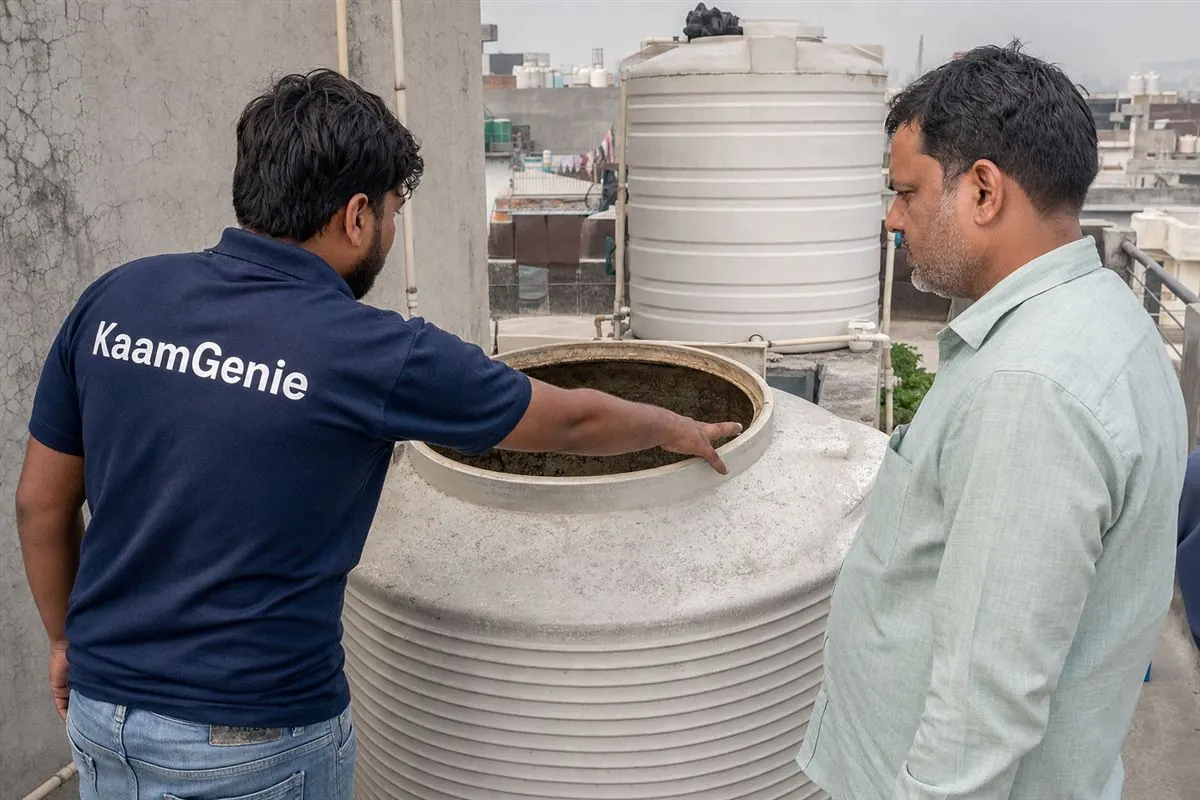
In a city like Gurugram — the Millennium City of glass towers, DLF colonies, builder floors and dense PG belts — almost no one drinks water straight from the mains. It travels through an underground reservoir, gets pumped to a rooftop tank, and only then reaches your tap. That storage step is convenient, and on most days it’s invisible. But it’s also the single point where clean-enough water can quietly turn into a health risk. This article is about that risk: which diseases are actually involved, how a neglected tank feeds them, and why a routine clean is the cheapest insurance you can buy for your family’s gut.
How water makes people sick — the faecal-oral route
Almost every classic waterborne disease shares one mechanism. According to the World Health Organization, contaminated drinking water transmits diseases such as diarrhoea, cholera, dysentery, typhoid and hepatitis A. The common thread is the faecal-oral route: microscopic traces of human or animal waste get into water, and someone swallows that water. You don’t need a visible problem — a quantity far too small to see or taste is enough to deliver an infectious dose.
A storage tank doesn’t manufacture these germs. What it can do, when neglected, is act as a reservoir where contamination collects and organisms persist: a dead bird decomposing under a broken lid, droppings washed in through an unscreened vent, mosquito and insect breeding on the surface, and a layer of sludge and biofilm on the walls that shelters bacteria from the small amount of chlorine in the supply. The supply delivers the hazard; the dirty tank is where it gets a foothold.
| Disease | Cause | How a dirty tank contributes | Typical symptoms |
|---|---|---|---|
| Typhoid | Salmonella Typhi (bacteria) | Faecal contamination via insects, birds or unclean supply; bacteria persist in sludge/biofilm | Sustained fever, weakness, abdominal pain, headache |
| Cholera | Vibrio cholerae (bacteria) | Contaminated water that sits and stagnates; thrives where hygiene at the storage point is poor | Severe watery diarrhoea, rapid dehydration |
| Hepatitis A & E | Viruses (faecal-oral) | Tiny waste traces from droppings or back-siphonage; hepatitis E especially serious in pregnancy | Jaundice, fatigue, nausea, loss of appetite |
| Giardiasis | Giardia (parasite cysts) | Cysts are hardy and resist low chlorine; settle in sediment at the tank floor | Loose motions, bloating, cramps, fatigue |
| E. coli illness | Certain E. coli strains | Indicator of faecal contamination; biofilm on walls helps bacteria survive | Stomach cramps, diarrhoea, sometimes fever |
| Gastroenteritis | Mixed bacteria/viruses | The everyday face of unsafe stored water — the “bad stomach” no one connects to the tank | Vomiting, diarrhoea, cramps, mild fever |
None of this is meant to alarm — the great majority of Gurgaon households never trace a stomach bug back to the tank, and most exposures are mild. The point is simpler: every one of these illnesses is preventable at the storage stage, and the prevention is unglamorous and cheap.
Not sure when your tank was last cleaned?
If it’s been more than six months — or you can’t remember — that’s the answer. Book a full clean and disinfection. ₹699 onwards.
What we actually find inside a neglected Gurgaon tank
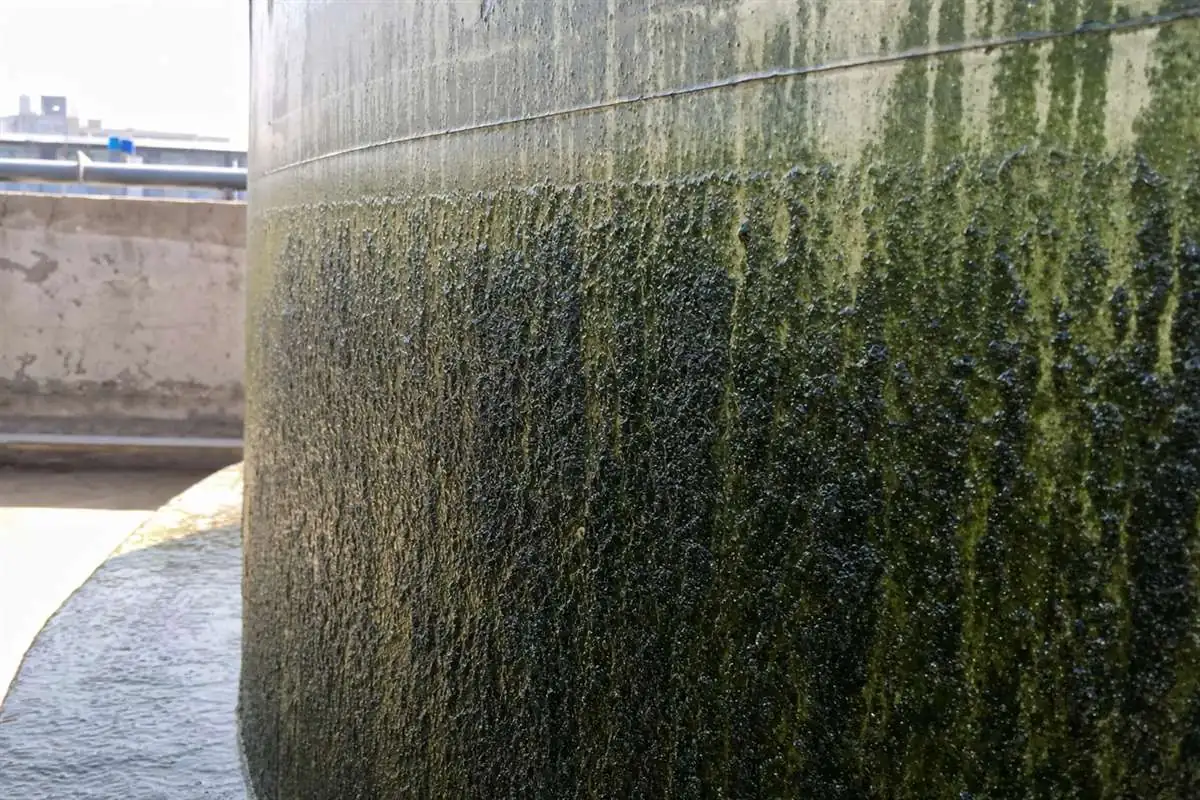
When our crews open a tank that hasn’t been serviced in a year or two — whether it’s a rooftop tower tank in Sushant Lok or a sump under a builder floor in Sector 56 — the same few problems show up again and again. Each one maps directly onto the disease list above:
- Sediment and sludge on the floor. Sand, silt and fine grit from borewell and tanker water settle into a soft layer. Giardia cysts and bacteria settle and survive in exactly this sediment.
- Biofilm on the walls. A thin, slimy organic film that builds up at the waterline and in corners. It physically protects bacteria and consumes the residual chlorine that should be keeping the water safe.
- Dead insects, lizards, frogs and sometimes birds or rodents. They get in through broken lids, unscreened overflow pipes and open vents, then decompose in the water — a direct faecal and organic contamination source.
- Mosquito and insect breeding. Open or cracked tanks become breeding grounds, which is a hygiene problem in its own right.
- Algae. Green growth where sunlight reaches translucent plastic tanks, feeding the whole microbial load.
The unsettling part for most residents is that none of this is visible from the kitchen tap. The water can run clear while the floor of the tank tells a very different story. If you want to know the warning signs that do reach your tap, we’ve covered them separately in our guide to the signs your water tank needs cleaning in Gurgaon.
Why Gurgaon’s water situation raises the stakes
Gurgaon’s storage habits are a little different from old Delhi’s, and they matter here. Large parts of the city — the new-tower belt along Sohna Road, Golf Course Extension, the Southern Peripheral Road and Dwarka Expressway — depend heavily on borewell groundwater and private water tankers rather than a steady piped municipal supply. Both deliver more sediment and a more variable bacterial load straight into big underground reservoirs (UGRs), which then feed rooftop tower tanks.
That has three consequences. First, tankers often arrive with little or no measurable chlorine residual, so there’s nothing actively suppressing bacteria once the water is stored. Second, the hard groundwater common across Gurgaon leaves mineral scale on tank walls, and that rough, scaled surface is where biofilm grips best. Third, the sheer scale of storage in condominium societies — huge UGRs feeding dozens of flats — means one neglected reservoir affects a lot of families at once. If you want the full picture of where your water comes from, our explainer on Gurgaon’s water supply and why your tank needs cleaning goes deeper. For the cleaning itself, here’s our water tank cleaning in Gurgaon service.
Who is most at risk
Not everyone who drinks contaminated water falls ill, and not everyone who falls ill gets seriously sick. But some people are far more vulnerable, and a household plans for its weakest members:
- Young children and infants. WHO highlights that diarrhoeal disease from unsafe water is especially dangerous for young children because of how quickly they dehydrate. Children also swallow more water while bathing.
- The elderly. Older parents in multi-generational Gurgaon homes have less reserve to cope with a serious gut infection.
- Pregnant women. Hepatitis E in particular is known to be more severe during pregnancy.
- Immune-compromised residents. Anyone on chemotherapy, with diabetes, or otherwise immune-suppressed is at higher risk from organisms a healthy adult might shrug off.
This is why high-occupancy buildings — family societies, PGs, co-living blocks and the corporate offices and food courts of Cyber City — carry extra responsibility. One shared tank quietly sets the floor for everyone’s health.
What our crews most often find inside a neglected Gurgaon tank
Based on what we open up on routine first-time jobs — illustrative of common findings, not a health survey
Reflects what KaamGenie crews commonly encounter on first-time cleanings of long-neglected tanks in Gurgaon. It is a field observation to show what builds up, not an epidemiological measurement.
How cleaning and disinfection break the chain
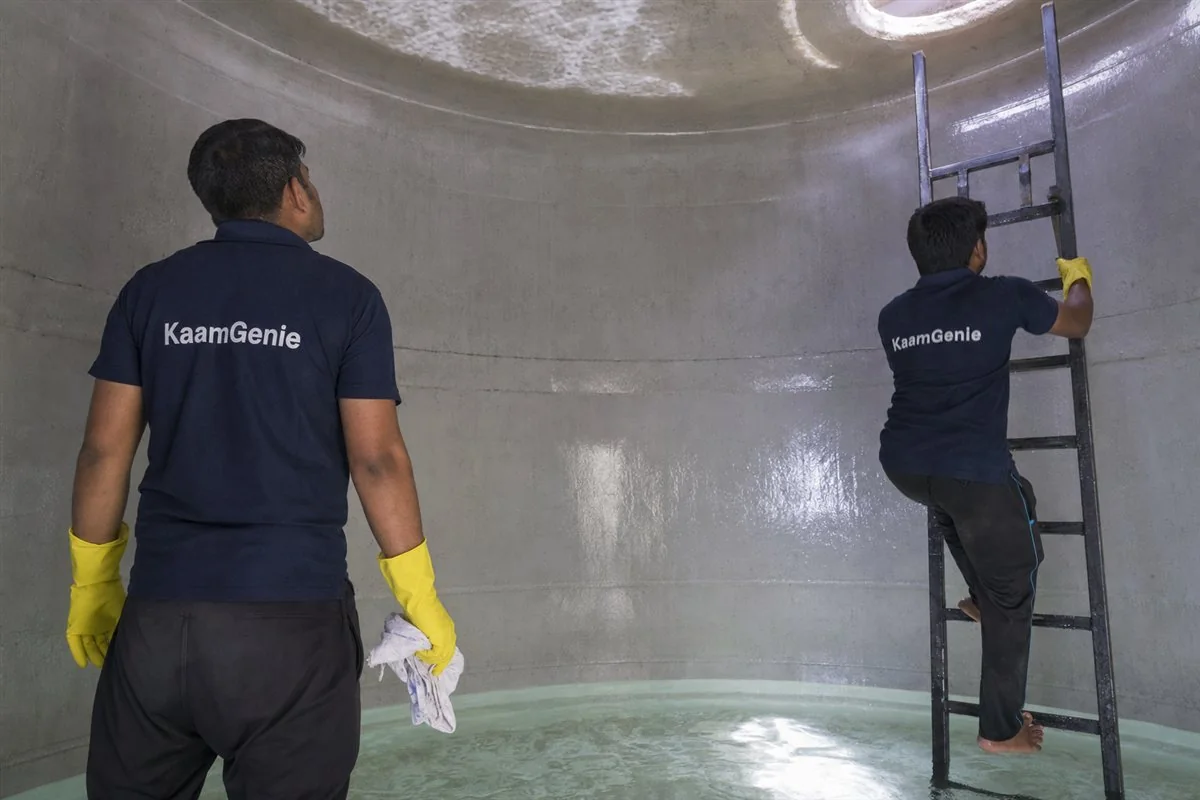
A proper service attacks every item on that findings list, in order. The sludge is scooped and removed so cysts and bacteria in the sediment go with it. The walls and floor are manually scrubbed and high-pressure jet-washed to strip biofilm and scale — the layer that was protecting bacteria from chlorine in the first place. The dirty residue is vacuumed out rather than left to resettle. Only then is the empty, clean tank disinfected with food-grade chlorine at the correct concentration, which is what actually deactivates the remaining organisms on the surfaces.
That last step is the one corner-cutters skip, and it’s the one that matters most for disease. Tipping a little bleach into a full tank does almost nothing useful; disinfecting clean, empty surfaces and giving the chemical proper contact time is what counts. We explain the chemistry and safe concentrations in our piece on water tank disinfection and chlorination in Gurgaon. For the full step-by-step of a real clean, see our water tank cleaning process walkthrough.
Two honest caveats. First, no service can promise zero risk — your water also depends on the source, your internal pipes and your taps. What cleaning does is sharply cut the contamination load at the storage stage, which is the part you control. Second, it’s a cycle, not a cure: borewell and tanker supply keep delivering sediment, and biofilm starts rebuilding, so the protection holds only with a repeating schedule.
A simple prevention routine for Gurgaon homes and societies
You don’t need to over-think this. A handful of habits covers the great majority of the risk:
- Clean and disinfect every six months — more often for tanker-dependent buildings, hard-water areas, and high-occupancy PGs, societies and offices.
- Keep lids sealed and gaskets intact. A tight lid is the cheapest disease prevention there is — it keeps out dust, insects, lizards and birds.
- Mesh every opening. Overflow pipes and vents need fine mesh to block mosquitoes and rodents.
- Clean immediately after any contamination event — a dead animal, visibly dirty or smelly water, flooding, or a stomach-bug doing the rounds in the building. Don’t wait for the calendar.
- Use a purifier and a clean tank. The RO handles your drinking glass; the clean tank protects the brushing, bathing, and washing taps the purifier never touches.
- Societies: put it on contract. A documented schedule across all UGRs and tower tanks protects every flat at once — see society water tank cleaning in Gurgaon.
Protect every tap, not just the RO
Full scrub, jet-wash and food-grade disinfection — before/after photos and a certificate. Residential ₹699 onwards; society, UGR and commercial quoted on site.
The bottom line for Gurgaon households
Typhoid, cholera, hepatitis A and E, giardiasis and the routine stomach bug all share one quiet enabler: water that picks up contamination on its way to your tap and isn’t cleaned out. Your storage tank is the most controllable point in that chain. You can’t change the tanker, you can’t fix the borewell, but you can make sure the place that water sits for days is scrubbed, disinfected and sealed. That’s not fear-mongering — it’s the cheapest, highest-return piece of household maintenance most Gurgaon families never schedule.
If it’s been more than six months, book a clean. We’re a trained, documented crew with water tank cleaning services across the city; you can start at the Gurgaon water tank cleaning hub, whether you’re a single floor on Sohna Road or an RWA running a row of tower tanks on Golf Course Road.
Frequently asked questions
Can a dirty water tank really make my family sick?
Yes. Your storage tank sits between the supply and your tap, and water can pick up contamination there. Most waterborne illness — typhoid, cholera, hepatitis A and E, giardiasis and ordinary gastroenteritis — spreads through the faecal-oral route, meaning tiny traces of human or animal waste in water. A cracked lid, a dead bird or rodent, insect breeding, or biofilm and sludge buildup can all introduce or feed the organisms behind these diseases. The tank does not create the germ, but a neglected tank gives it somewhere to survive and multiply.
Which waterborne diseases are linked to contaminated storage tanks?
The common ones are typhoid (Salmonella Typhi), cholera (Vibrio cholerae), hepatitis A and hepatitis E (viruses), giardiasis (Giardia), and illness from certain E. coli strains — plus general gastroenteritis (loose motions, vomiting, stomach cramps) which is the everyday face of unsafe water. According to WHO, contaminated drinking water transmits diseases such as diarrhoea, cholera, dysentery, typhoid and hepatitis A. A storage tank that is never cleaned is one of the places where this contamination can take hold.
My building has an RO purifier — isn’t the tank water already safe?
A kitchen RO or UV unit only treats the small stream of water that passes through it, usually for drinking and cooking. The tank still feeds every other tap — the water you brush your teeth with, bathe in, wash vegetables and utensils with, and that children gulp in the shower. Many waterborne organisms need only a small dose to cause illness, so contaminated tank water reaching those taps is still a real risk. A purifier and a clean tank do different jobs; you need both.
How does a clean tank get contaminated again in Gurgaon?
Several ways. Gurgaon relies heavily on borewell groundwater and private water tankers, both of which carry sediment and a variable bacterial load straight into your underground reservoir and rooftop tanks. A loose or broken lid lets in dust, insects, lizards and birds. Overflow and vent openings without mesh are an open door for mosquitoes and rodents. And once a thin layer of sludge and biofilm forms on the walls, it shelters bacteria from the small amount of chlorine in the supply. This is why cleaning is a repeating cycle, not a one-time job.
Who in a household is most at risk from waterborne illness?
Young children, the elderly, pregnant women and anyone with a weakened immune system are the most vulnerable. WHO notes that diarrhoeal disease from unsafe water is especially dangerous for young children because of the risk of dehydration. Hepatitis E is particularly serious in pregnancy. In Gurgaon’s many family societies, PGs and co-living buildings, that means infants, older parents and tenants sharing one storage system all depend on that tank being clean.
How often should a Gurgaon tank be cleaned to prevent disease?
As a practical rule, clean and disinfect overhead tanks and underground reservoirs at least every six months — and more often if you depend on tanker water, have hard borewell supply, or run a high-occupancy building such as a PG, society or office. After any contamination event (a dead animal, a flood, visibly dirty water, or a stomach-bug outbreak in the building) clean immediately rather than waiting for the schedule.
Does the chlorine in municipal or tanker water keep my tank safe on its own?
Not reliably. A small residual of chlorine helps, but it fades over time, especially in water that sits for days in a warm rooftop tank. Sludge and biofilm on the tank walls actively shield bacteria from that residual and can consume the chlorine. Tanker water in particular often arrives with little or no measurable residual. That is why a proper service includes disinfecting the empty, scrubbed tank with food-grade chlorine — it resets the surfaces, not just the water.
Can you always see or smell when tank water is unsafe?
No, and this is the dangerous part. Cloudy water, a musty or eggy smell, sediment, slime or yellow tinge are clear warning signs — but the organisms that cause typhoid, hepatitis or giardiasis can be present in water that looks and smells perfectly clear. You cannot judge bacterial safety by eye. That is exactly why a regular cleaning schedule matters more than waiting for an obvious problem to appear.
Does a professional cleaning and disinfection guarantee disease-free water?
No honest service can promise zero risk, because water quality also depends on your source, your pipes and your taps. What a proper clean does is remove the sludge, biofilm and physical contamination inside the tank and disinfect the surfaces with food-grade chlorine, sharply reducing the contamination load your household is exposed to. Combined with a sealed lid, meshed vents and a six-monthly schedule, it is the single most effective step you can take at the storage stage.
Sources & references
- Bureau of Indian Standards (BIS) — IS 10500:2012 is the canonical Indian Standard for drinking water specification, defining acceptable limits for physical, chemical, and biological parameters.
- WHO Guidelines for Drinking-water Quality, 4th edition — the global reference for water quality standards, including guidance on storage and disinfection.
- Food Safety and Standards Authority of India (FSSAI) — defines water quality requirements for food businesses, including hygiene standards for stored water and acceptable disinfection chemicals.
- WHO Fact Sheet on Drinking Water — overview of safe drinking water requirements and the diseases transmitted by contaminated water.
- CPHEEO — Manual on Water Supply and Treatment — the Government of India’s engineering manual covering tank design, cleaning protocols, and disinfection practices.
Last verified: 29 June 2026. If you find any of these links broken, please let us know.